
Table Of Contents
If your office carpet looks tired, stained, or dull, it might be time to book office carpet cleaning Philadelphia businesses rely on to keep their spaces looking sharp. Carpets take a beating every single day. Foot traffic, spilled coffee, dust, and everyday wear build up fast, and a few passes with a vacuum will only get you so far. A deep clean from a trained team pulls out the dirt and allergens hiding deep in the fibers, so your workplace looks better and feels healthier for everyone who walks through the door. Whether you manage a small office or a large corporate space, clean carpets say a lot about how you run your business.
Why Office Carpets Need Professional Attention
Regular vacuuming keeps the surface tidy, but it does not reach what settles below. Dust mites, bacteria, and ground in dirt collect in carpet fibers over months, and in a busy office that buildup happens quickly. This matters more than most people realize. Poor indoor air quality linked to dirty carpets can trigger allergies, contribute to headaches, and even affect how alert your staff feel during the workday.
Professional cleaning goes far beyond a quick vacuum. Hot water extraction and steam methods lift trapped soil out of the fibers instead of just moving it around. That is the difference between a carpet that looks clean and one that actually is clean. Pairing carpet care with routine office cleaning services keeps every surface in your workplace consistently fresh, not just the floors. Employers who invest in this kind of upkeep often notice fewer sick days and a more pleasant space for meetings, client visits, and daily work.
What a Professional Office Carpet Cleaning Philadelphia Service Includes
A proper office carpet cleaning Philadelphia routine involves more than spraying a cleaner and blotting a few spots. The process usually starts with a walkthrough to check traffic patterns, stains, and problem areas. From there, technicians pretreat heavily soiled zones to loosen grime before the main clean begins.
Hot water extraction, often called carpet steam cleaning, is the method most offices rely on for a deep result. It pushes heated water and cleaning solution into the carpet, then extracts it along with the dirt it lifted. The fibers dry fully clean instead of just refreshed on top. Some providers also offer dry compound methods for offices that need a faster turnaround, since there is little to no drying time involved with that approach.
A thorough service should also cover edges, corners, and areas under furniture that get skipped during everyday maintenance. Ask any provider you are considering whether their process includes pretreatment, extraction, and a final inspection. Those three steps together are what separate a surface refresh from a true deep clean.
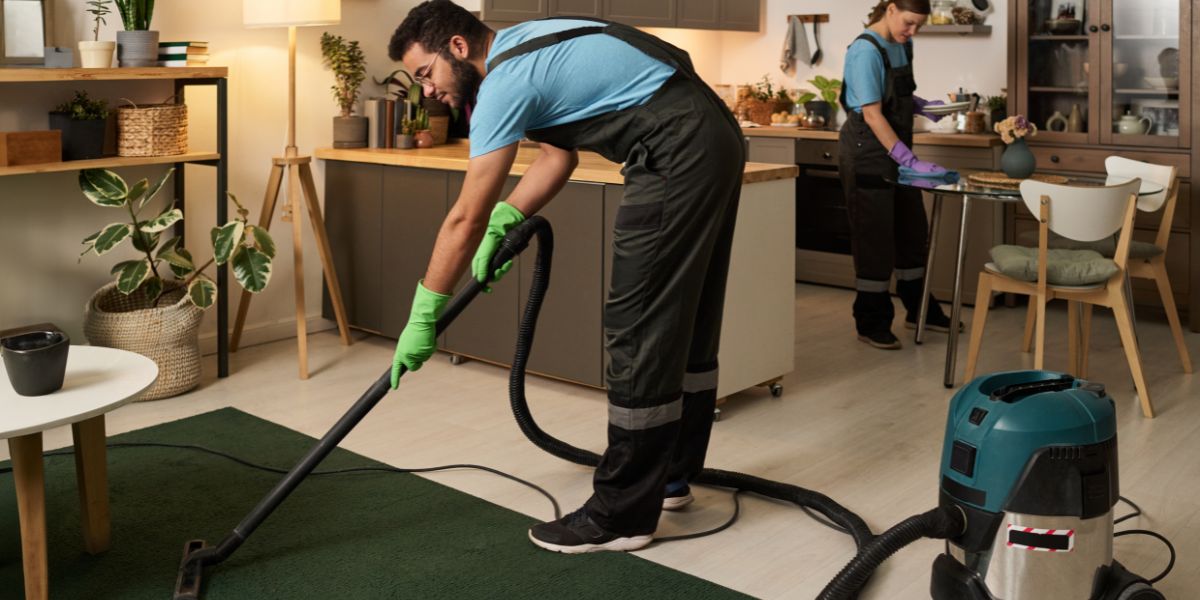
The Benefits of Clean Carpets for Your Workplace
Clean carpets do more than look nice. They protect your investment, since dirt and grit act like sandpaper on carpet fibers and wear them down faster than regular use alone would. Routine deep cleaning extends the life of your flooring and delays the cost of replacement.
There is also the impression factor. Clients, job candidates, and visitors form opinions the moment they step into your office, and a stained or dingy carpet undercuts everything else you have done to create a professional space. A fresh, well kept floor signals that you pay attention to detail throughout your business.
Pure Productive Services has spent years helping Philadelphia offices keep their spaces looking their best, and carpet care is one of the most requested parts of that work. Businesses that schedule cleanings on a set calendar, rather than waiting until carpets look visibly dirty, tend to spend less over time and deal with far fewer stubborn stains.
Choosing the Right Carpet Cleaning Provider
Not every cleaning company handles commercial carpet the same way, so it pays to ask a few questions before you book. Find out what equipment the team uses, whether technicians are certified, and how they handle stubborn or aged stains. If you are comparing commercial cleaners near you, look closely at reviews and the range of services each company actually offers rather than just the price on the page.
Scheduling flexibility matters too. Most offices cannot afford to shut down for cleaning during business hours, so look for a team willing to work evenings, weekends, or whatever slot fits your operation with the least disruption. Ask about insurance and background checks for staff as well, since these workers will be moving through your space when most of your team is not there to supervise.
Price matters, but it should not be the only factor. A cheap job that leaves carpets damp for days or misses embedded stains will cost you more later through added wear, mold risk, or a callback visit to fix what was missed the first time.
How Often Should Offices Schedule Carpet Cleaning
Most offices do well with a deep clean every three to six months, though the right schedule depends on foot traffic and the type of business you run. A busy retail floor or a medical office will need more frequent attention than a small back office with light use. Companies across the industries we serve all have different needs, so it helps to talk through your specific traffic patterns with a provider before settling on a schedule.
Waiting until carpets look obviously dirty usually means the damage is already done. Ground in soil and old stains are harder and more expensive to remove than dirt that gets addressed on a regular rotation. A set schedule also spreads the cost out instead of hitting your budget with one large bill when things finally reach a breaking point.
Clean carpets are one of the easiest ways to keep an office looking professional without a major renovation. A little planning and a reliable cleaning partner go a long way toward protecting your flooring and the impression it leaves on everyone who walks through your doors.
FAQs
1. How much does office carpet cleaning cost in Philadelphia?
Pricing depends on square footage, the level of soil buildup, and the cleaning method used. Most providers offer a free walkthrough to give an accurate quote before any work begins. Larger offices with heavier traffic typically pay more than small offices with light use.
2. How long does it take for carpets to dry after cleaning?
Hot water extraction usually leaves carpets dry within four to eight hours, depending on humidity and airflow in the space. Some providers use fans or dehumidifiers to speed the process along. Dry compound methods dry much faster if your schedule requires quicker turnaround.
3. Can professional cleaning remove old, set in stains?
Many older stains respond well to pretreatment and hot water extraction, though results depend on the type of stain and how long it has been there. Coffee, ink, and some dye based stains can be stubborn. A trained technician can usually tell you what to expect before starting the job.
4. How often should a business schedule carpet cleaning?
Most offices benefit from a deep clean every three to six months. Spaces with heavy foot traffic, food service, or medical use often need more frequent attention. A provider can help you set a schedule based on how your space actually gets used.
5. Is steam cleaning safe for all types of office carpet?
Steam and hot water extraction work well on most commercial carpet fibers, but delicate or specialty materials sometimes need a gentler approach. A good provider will check your carpet type before choosing a method so nothing gets damaged in the process.
6. Can cleaning be scheduled outside of business hours?
Yes, most commercial cleaning teams offer evening, early morning, or weekend appointments so your daily operations are not interrupted. This is especially helpful for offices that cannot afford downtime during the workday.

