
Table Of Contents
More Philadelphia business owners are budgeting for commercial deep cleaning services this year, and it's not just about appearances. A deep clean tackles the buildup that daily maintenance never quite reaches: grimy grout lines, dull floors, dust trapped in vents, and grease that regular wiping can't touch. For businesses dealing with heavy foot traffic, strict health codes, or seasonal wear and tear, skipping this step eventually shows up as bigger repair bills and unhappy customers.
What Commercial Deep Cleaning Services Actually Include
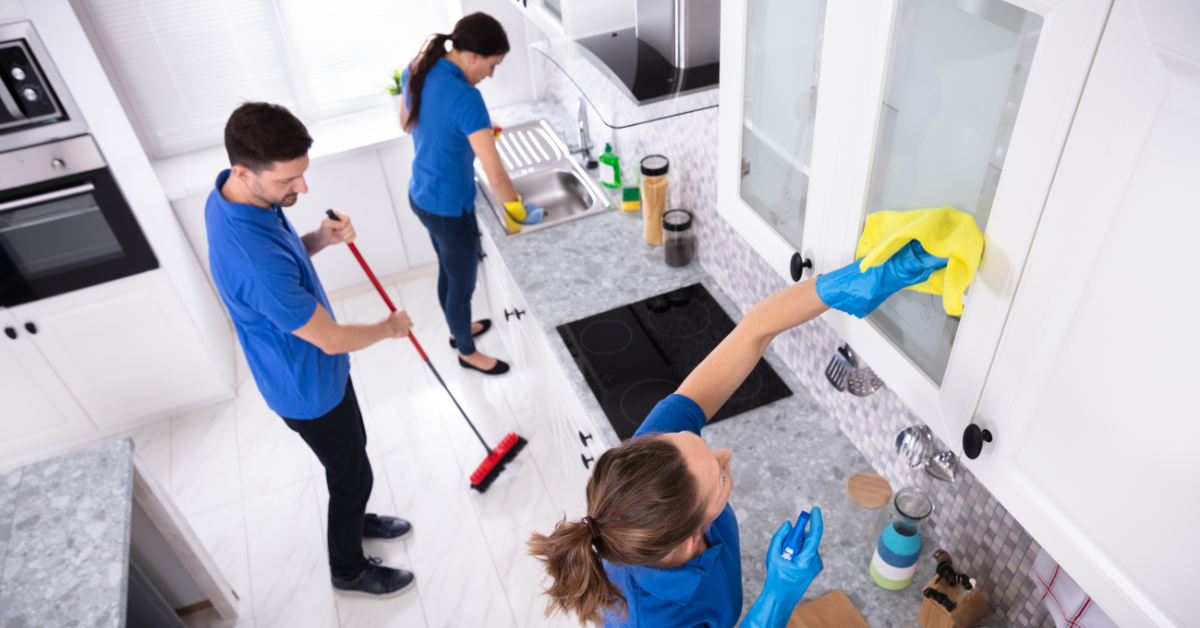
A standard cleaning routine handles the surface: trash, dusting, quick mopping. Commercial deep cleaning services go further, targeting the buildup that accumulates over weeks or months. This typically covers things like power washing exterior walkways and entrances, steam-extracting carpets through carpet steam cleaning to pull out ground-in dirt and allergens, scrubbing grout and tile, and detailing areas that get skipped during routine visits, like baseboards, vents, and light fixtures. It's the kind of cleaning that resets a space rather than just maintaining it, which is why most businesses schedule it on a less frequent but more thorough basis than daily upkeep.
The Cost of Skipping Deep Cleaning
Businesses that put off deep cleaning Philadelphia providers recommend often end up paying more later. Grime and grease that sit too long can permanently stain flooring or damage surfaces that would have been fine with periodic attention. Beyond the financial cost, there's the customer-facing side: dingy carpets, streaked windows, and dull floors send a message to clients and employees whether you intend it to or not. Health inspections and lease agreements sometimes require documented deep cleaning schedules too, so skipping it can create compliance headaches on top of the cosmetic ones.
Industries That Benefit Most
Restaurants, gyms, medical offices, and multi-tenant buildings tend to see the most value from regular deep cleaning, simply because of how much foot traffic and grease or dust buildup they deal with. Pure Productive Services structures its deep cleaning plans around industry-specific needs, since a gym's locker room requirements look nothing like a restaurant's kitchen and dining area. Office buildings benefit too, particularly ones with carpeted common areas or high window counts that accumulate dust and streaks faster than most owners realize. Even lower-traffic offices tend to notice a difference after a seasonal deep clean that daily upkeep alone never quite delivers.
How Often Should You Schedule It?
Most businesses land somewhere between quarterly and twice a year for a full deep clean, though high-traffic spaces may need it more often. If your building recently went through renovations, post-construction cleaning should happen before a standard deep clean, since construction dust and debris need a different removal process. For flooring specifically, hardwood floor polishing on a semi-annual basis keeps wood surfaces from dulling prematurely. Talk to your provider about a schedule based on your specific foot traffic and industry rather than defaulting to a generic timeline that might not fit your space.
Investing in regular deep cleaning protects your space, your budget, and the impression you leave on everyone who walks through the door. Talk to a local provider about which areas of your building need the most attention and build a schedule around that.
FAQs
1. How is commercial deep cleaning different from regular cleaning?
Regular cleaning handles daily upkeep like trash removal and surface wiping. Deep cleaning targets buildup that accumulates over time, like grout stains, packed-in carpet dirt, and grease in kitchens or vents.
2. How much does commercial deep cleaning cost?
Cost depends on square footage, the areas involved, and how long it's been since the last deep clean. Providers typically quote after seeing the space, since a first-time deep clean often takes longer than a maintenance visit.
3. How long does a deep cleaning service take?
It varies by size and condition of the space, but most commercial deep cleans take anywhere from a few hours to a full day for larger facilities.
4. Can deep cleaning be scheduled outside business hours?
Yes, most providers offer evening or weekend scheduling specifically so deep cleaning doesn't disrupt daily operations.
5. Do I still need daily cleaning if I schedule deep cleaning?
Yes. Deep cleaning and daily janitorial upkeep serve different purposes, and skipping daily maintenance means your space looks great right after a deep clean but declines quickly afterward.
6. What's the best time of year for a deep clean?
Many businesses schedule deep cleans at the start of a new season, particularly after winter when salt, grime, and moisture have taken a toll on floors and entryways.

